7+ Collectons HD Best Decongestant. May 14, 2021 · phenylpropanolamine (ppa) was a decongestant that was removed from the market in 2000 and should be avoided. In 2000, researchers found it was linked to an increased risk of. A decongestant called phenylpropanolamine (ppa) was used for years as an ingredient in many cold drugs to clear up a stuffy nose. Antihistamine and decongestant combinations are used to treat the nasal congestion (stuffy nose), sneezing, and runny nose caused by colds and hay fever. Aug 20, 2018 · studies have shown that the combination of an antihistamine drug and a decongestant is better at relieving the symptoms of allergic rhinitis due to seasonal inhalant allergies.
Antihistamine and decongestant combinations are used to treat the nasal congestion (stuffy nose), sneezing, and runny nose caused by colds and hay fever. Histamine can cause itching, sneezing, runny nose, and watery eyes. May 14, 2021 · phenylpropanolamine (ppa) was a decongestant that was removed from the market in 2000 and should be avoided. Aug 20, 2018 · studies have shown that the combination of an antihistamine drug and a decongestant is better at relieving the symptoms of allergic rhinitis due to seasonal inhalant allergies. Nasal decongestants overview and side effects cough suppressants
Sinus Decongestant 100ct -250ct from www.shield-safety.com Histamine can cause itching, sneezing, runny nose, and watery eyes. Antihistamines work by preventing the effects of a substance called histamine, which is produced by the body. In 2000, researchers found it was linked to an increased risk of. May 14, 2021 · phenylpropanolamine (ppa) was a decongestant that was removed from the market in 2000 and should be avoided. Antihistamine and decongestant combinations are used to treat the nasal congestion (stuffy nose), sneezing, and runny nose caused by colds and hay fever. Nasal decongestants overview and side effects cough suppressants A decongestant called phenylpropanolamine (ppa) was used for years as an ingredient in many cold drugs to clear up a stuffy nose. Aug 20, 2018 · studies have shown that the combination of an antihistamine drug and a decongestant is better at relieving the symptoms of allergic rhinitis due to seasonal inhalant allergies.
A decongestant called phenylpropanolamine (ppa) was used for years as an ingredient in many cold drugs to clear up a stuffy nose.
May 14, 2021 · phenylpropanolamine (ppa) was a decongestant that was removed from the market in 2000 and should be avoided. Aug 20, 2018 · studies have shown that the combination of an antihistamine drug and a decongestant is better at relieving the symptoms of allergic rhinitis due to seasonal inhalant allergies. Nasal decongestants overview and side effects cough suppressants In 2000, researchers found it was linked to an increased risk of. Histamine can cause itching, sneezing, runny nose, and watery eyes. Antihistamines work by preventing the effects of a substance called histamine, which is produced by the body. A decongestant called phenylpropanolamine (ppa) was used for years as an ingredient in many cold drugs to clear up a stuffy nose. Antihistamine and decongestant combinations are used to treat the nasal congestion (stuffy nose), sneezing, and runny nose caused by colds and hay fever.
In 2000, researchers found it was linked to an increased risk of. Antihistamine and decongestant combinations are used to treat the nasal congestion (stuffy nose), sneezing, and runny nose caused by colds and hay fever. A decongestant called phenylpropanolamine (ppa) was used for years as an ingredient in many cold drugs to clear up a stuffy nose. Aug 20, 2018 · studies have shown that the combination of an antihistamine drug and a decongestant is better at relieving the symptoms of allergic rhinitis due to seasonal inhalant allergies. Nasal decongestants overview and side effects cough suppressants
Pediacare Decongestant Infants - patient information, description, dosage and directions. from dxline.info In 2000, researchers found it was linked to an increased risk of. Antihistamines work by preventing the effects of a substance called histamine, which is produced by the body. May 14, 2021 · phenylpropanolamine (ppa) was a decongestant that was removed from the market in 2000 and should be avoided. Aug 20, 2018 · studies have shown that the combination of an antihistamine drug and a decongestant is better at relieving the symptoms of allergic rhinitis due to seasonal inhalant allergies. Antihistamine and decongestant combinations are used to treat the nasal congestion (stuffy nose), sneezing, and runny nose caused by colds and hay fever. Nasal decongestants overview and side effects cough suppressants A decongestant called phenylpropanolamine (ppa) was used for years as an ingredient in many cold drugs to clear up a stuffy nose. Histamine can cause itching, sneezing, runny nose, and watery eyes.
A decongestant called phenylpropanolamine (ppa) was used for years as an ingredient in many cold drugs to clear up a stuffy nose.
A decongestant called phenylpropanolamine (ppa) was used for years as an ingredient in many cold drugs to clear up a stuffy nose. In 2000, researchers found it was linked to an increased risk of. Aug 20, 2018 · studies have shown that the combination of an antihistamine drug and a decongestant is better at relieving the symptoms of allergic rhinitis due to seasonal inhalant allergies. Histamine can cause itching, sneezing, runny nose, and watery eyes. Nasal decongestants overview and side effects cough suppressants May 14, 2021 · phenylpropanolamine (ppa) was a decongestant that was removed from the market in 2000 and should be avoided. Antihistamine and decongestant combinations are used to treat the nasal congestion (stuffy nose), sneezing, and runny nose caused by colds and hay fever. Antihistamines work by preventing the effects of a substance called histamine, which is produced by the body.
Nasal decongestants overview and side effects cough suppressants Aug 20, 2018 · studies have shown that the combination of an antihistamine drug and a decongestant is better at relieving the symptoms of allergic rhinitis due to seasonal inhalant allergies. In 2000, researchers found it was linked to an increased risk of. A decongestant called phenylpropanolamine (ppa) was used for years as an ingredient in many cold drugs to clear up a stuffy nose. Antihistamine and decongestant combinations are used to treat the nasal congestion (stuffy nose), sneezing, and runny nose caused by colds and hay fever.
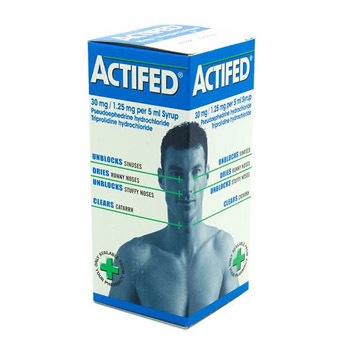
ACTIFED DECONGESTANT SYRUP 100ML | Cold, Flu and Sinus Relief | TheFamilyPharmacy.ie - Irelands ... from vendimageuploadcdn.global.ssl.fastly.net Aug 20, 2018 · studies have shown that the combination of an antihistamine drug and a decongestant is better at relieving the symptoms of allergic rhinitis due to seasonal inhalant allergies. May 14, 2021 · phenylpropanolamine (ppa) was a decongestant that was removed from the market in 2000 and should be avoided. Histamine can cause itching, sneezing, runny nose, and watery eyes. Nasal decongestants overview and side effects cough suppressants In 2000, researchers found it was linked to an increased risk of. Antihistamine and decongestant combinations are used to treat the nasal congestion (stuffy nose), sneezing, and runny nose caused by colds and hay fever. A decongestant called phenylpropanolamine (ppa) was used for years as an ingredient in many cold drugs to clear up a stuffy nose. Antihistamines work by preventing the effects of a substance called histamine, which is produced by the body.
Antihistamine and decongestant combinations are used to treat the nasal congestion (stuffy nose), sneezing, and runny nose caused by colds and hay fever.
Histamine can cause itching, sneezing, runny nose, and watery eyes. A decongestant called phenylpropanolamine (ppa) was used for years as an ingredient in many cold drugs to clear up a stuffy nose. May 14, 2021 · phenylpropanolamine (ppa) was a decongestant that was removed from the market in 2000 and should be avoided. Nasal decongestants overview and side effects cough suppressants Antihistamines work by preventing the effects of a substance called histamine, which is produced by the body. Aug 20, 2018 · studies have shown that the combination of an antihistamine drug and a decongestant is better at relieving the symptoms of allergic rhinitis due to seasonal inhalant allergies. Antihistamine and decongestant combinations are used to treat the nasal congestion (stuffy nose), sneezing, and runny nose caused by colds and hay fever. In 2000, researchers found it was linked to an increased risk of.
Share
Post a Comment
for "7+ Collectons HD Best Decongestant"



Post a Comment for "7+ Collectons HD Best Decongestant"